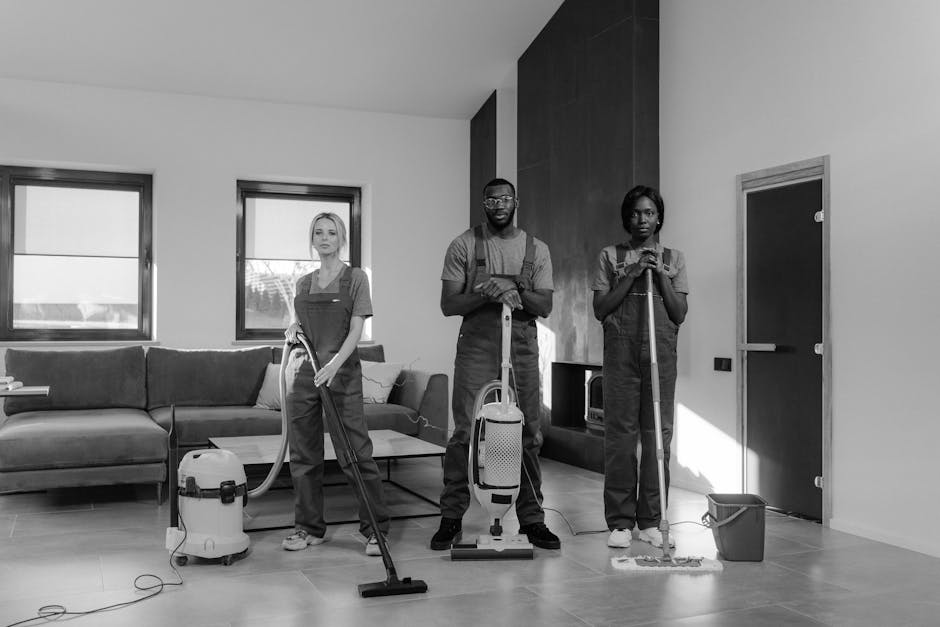
What to know about end of lease cleaning in SE10
Moving out is rarely just a matter of boxes, keys, and a final cup of tea in an empty kitchen. If you are renting in SE10, the last clean can make a real difference to how smoothly the handover goes. What to know about end of lease cleaning in SE10 is not only about wiping surfaces; it is about meeting expectations, avoiding avoidable deductions, and leaving the property in a condition that feels properly handed back.
To be fair, most people only realise how detailed this job is when they are already halfway out the door. Oven grease that looked harmless in week one, a bit of limescale in the bathroom, carpet marks near the sofa, the dusty top of a wardrobe nobody ever looked at... all of it suddenly matters. This guide breaks down what end of lease cleaning usually involves, how it works, what to prioritise, and how to make sensible decisions in SE10 without overcomplicating things.
Whether you are a tenant trying to protect your deposit, a landlord preparing for new occupants, or someone in the middle of a busy Greenwich move, this article gives you a practical, grounded view of the process. Nothing fluffy. Just the things that genuinely help.
Why What to know about end of lease cleaning in SE10 Matters
SE10 covers a busy part of south-east London, and rental properties here can vary a lot. You might be dealing with a modern flat near the river, a period conversion, a shared house, or a managed apartment with a fairly strict inventory process. That variation matters because end of lease cleaning is rarely judged on good intentions. It is usually judged on condition.
In most move-out situations, the property is compared against the original inventory, check-in photos, or the standard described in the tenancy agreement. If the place is cleaner than when you moved in, great. If it is noticeably dirtier, or if certain areas were missed, you may face queries later. Nobody enjoys the back-and-forth, especially when you are already sorting removals and forwarding mail.
There is also a simple practical reason this clean matters: time. When moving day arrives, people are often tired, a bit frazzled, and keen to be done with it. That is when mistakes creep in. A proper end of tenancy clean, or a well-planned move out clean, gives the property the attention it needs while freeing you from the last-minute scramble.
For tenants in SE10, another layer is the pace of local rentals. Turnaround can be tight, and a property that is left in a poor state can delay inspections, keys, or final sign-off. For landlords and letting agents, a thorough clean helps the next tenancy begin on the right foot. Fresh start, fewer complaints. Simple, really.
If you are also thinking beyond the end of lease itself, it can help to compare this with a broader deep cleaning or a more tailored move out cleaning service, depending on how much build-up has happened over the tenancy. That distinction is useful, because not every property needs the same level of intervention.
How What to know about end of lease cleaning in SE10 Works
End of lease cleaning is usually a top-to-bottom clean of the property before the tenant leaves. The goal is to restore the home to a presentable, well-maintained condition, focusing on the areas that are commonly inspected: kitchen, bathroom, floors, skirting, fittings, appliances, and high-touch surfaces.
A typical process starts with a walkthrough. That may be informal if you are cleaning yourself, or more structured if you are hiring a professional team. The cleaner identifies the condition of each room and prioritises the neglected areas first. Kitchens and bathrooms tend to take the longest because they collect grease, soap residue, and general grime in places that are easy to miss until light hits them just right.
Professional cleaners often work in a logical sequence: dusting high points, cleaning fixtures, treating stains, scrubbing sanitary areas, degreasing the kitchen, then finishing with floors and final detailing. It sounds neat on paper, and usually it is. In real life, you will often need one extra pass at the edges or behind appliances. That is normal.
Good end of lease cleaning is not just about making a room look tidy at a glance. It is about cleaning the overlooked bits: inside cupboards, behind bins, around taps, under sinks, light switches, door frames, extractor fans, and the sort of dust that sits in corners as if it pays rent.
For some homes, especially those with soft furnishings or carpets, additional services can help. A property with worn hallway carpet may benefit from carpet cleaning or even steam carpet cleaning. If there are marks on the sofa, curtains, or mattresses in a furnished property, those may need separate attention too, which is where sofa cleaning, curtain cleaning, and mattress cleaning can be useful.
Key Benefits and Practical Advantages
The main benefit is obvious: a better chance of leaving the property in a condition that supports a smooth inspection. But there are several other practical wins worth noting.
- Less stress on moving day. A structured clean means you are not trying to scrub a hob at 9pm while a van waits outside.
- Better visual presentation. Fresh floors, clean glass, and clear surfaces make a property feel properly handed over.
- Fewer missed areas. Professional or well-planned cleans are less likely to overlook cupboards, appliances, and edges.
- Time saved. If you are juggling removals, children, work, or travel, outsourcing the heavy cleaning can be a relief.
- Improved deposit outcome. Not guaranteed, of course, but a cleaner property reduces one common source of disputes.
There is also a psychological benefit that people do not talk about much. Closing the door on a properly cleaned home feels final in a good way. You are not dragging a mess into the next chapter. You are leaving it tidy, and that matters more than people admit.
For landlords, another advantage is speed. When a property is clean and ready, it can be marketed, viewed, and re-let more quickly. If there is a broader refresh needed, pairing the end of tenancy clean with one off cleaning or domestic cleaning support can help keep standards consistent between tenancies.
Who This Is For and When It Makes Sense
This is not just for people with visibly messy flats. End of lease cleaning makes sense in a lot of ordinary situations.
Tenants: If you are moving out of a rented flat or house in SE10, this is the most common use case. Even if you have kept the place reasonably neat, move-out standards are usually stricter than everyday living standards.
Landlords and letting agents: If you need the property ready for the next occupant quickly, a structured clean can reduce downtime and improve presentation. It is a small thing, but it changes first impressions fast.
Shared households: In a flatshare, cleaning responsibilities can become a bit tangled. One person thinks another handled the oven, someone else swears the bathroom was done last week, and suddenly everybody is standing around the same sink. A professional clean can simplify that awkward ending.
Furnished rentals: These need more than a quick vacuum. Upholstery, mattresses, curtains, and carpets often need separate care if they have picked up everyday wear.
People with limited time or mobility: If you are managing work, health issues, childcare, or travel plans, a service-based clean may be the more sensible option. No drama. Just practical.
It also makes sense after longer tenancies where cleaning has been done regularly but not deeply. In those cases, a final clean is less about rescue work and more about resetting the property properly. If the home has seen heavier use, you might also look at oven cleaning and stain removal for the stubborn bits that rarely shift with a quick wipe.
Step-by-Step Guidance
If you want to handle the clean yourself, or simply want to understand what a cleaner should be doing, this step-by-step approach helps keep things under control.
- Check the tenancy agreement and inventory. Look at the exact wording around cleanliness, any stated expectations, and the condition notes from check-in.
- Remove personal items first. Cleaning around clutter is slow and frustrating. Clear everything out before serious cleaning starts.
- Start high and work down. Dust shelves, tops of doors, picture rails, and cupboard tops before dealing with lower surfaces and floors.
- Focus on kitchen grease and bathroom residue. These are the two places most likely to be noticed during an inspection.
- Tackle appliances properly. Inside the oven, hob, fridge, extractor hood, and microwave should all be checked carefully.
- Clean inside storage. Cupboards, drawers, wardrobes, and shelves should be empty and wiped through.
- Address marks and spot stains. Skirting boards, handles, light switches, and wall spots often need targeted attention.
- Finish with floors and glass. Vacuum, mop, and clean windows or mirrors last so the final result looks crisp.
- Do a slow final check. Stand in each room and look at it the way an inspector might. That slight change in perspective helps, oddly enough.
If carpets, rugs, or upholstery are part of the inventory, remember that a surface clean is not always enough. A property can look fine in daylight and still fail a closer check because of ingrained marks or odour. In that scenario, specialist support such as rug cleaning, upholstery cleaning, or pet stain odour removal may save a lot of trouble.
Expert Tips for Better Results
Here is where a little real-world experience helps. Most move-out cleaning issues are not about laziness; they are about underestimating small details.
1. Use the right timing. Clean after the property is emptied if you can. It is much easier to see problem areas without furniture in the way. Morning light is especially useful. You will notice streaks and dust more clearly, and that can be a blessing or a mild irritation, depending on your mood.
2. Do not forget the hidden touchpoints. Light switches, door handles, bannisters, cupboard edges, and behind radiators are easy to miss. Those bits often make a room feel either properly finished or slightly forgotten.
3. Treat the kitchen as a separate project. The kitchen usually decides whether the property feels truly clean. If the hob has grease, the extractor is dusty, and the oven smells faintly burned, everything else has to work harder to compensate. A bit unfair, but there it is.
4. Freshen soft furnishings carefully. If a home has curtains, sofas, or mattresses, do not assume a quick vacuum is enough. Odours and spills linger in fabric. That is where specialist services become useful, especially in furnished lets.
5. Keep a small repair mindset. Tighten a loose handle, replace a blown bulb if that is within your tenancy responsibilities, and report issues early. Cleaning and maintenance are not the same thing, but they overlap more than people think.
6. Photograph the finished result. A few clear photos of each room after cleaning can help if there is later disagreement. Plain evidence beats memory almost every time.
If you need a broader refresh before handover, a carefully planned one off cleaning session can bring everything back to a neutral, ready-to-inspect standard without turning the whole process into a week-long project.
Common Mistakes to Avoid
Some mistakes are very common, and most are easy to avoid once you know what to look for.
- Cleaning too early. If you clean before removals are finished, dust and scuffs can come back straight away.
- Leaving the oven until last. It is one of the most time-consuming parts. Start early or bring in help.
- Forgetting inside cupboards and drawers. Empty is not the same as clean.
- Using too much product. Over-wetting floors or over-spraying glass leaves residue and streaks.
- Skipping skirting boards and edges. These details are small, but they add up.
- Assuming carpets look clean enough. Visual clean and inspection clean are not always the same thing.
- Not checking the inventory. If the tenancy expected professional cleaning at the end, discover that before the final day, not after.
A smaller but annoying mistake is trying to do everything alone when the place is genuinely too much for one day. Truth be told, that is how people end up cleaning one bathroom very well and the rest of the property in a blur. Not ideal. If the job has grown beyond a quick tidy-up, it may be smarter to separate the tasks or book proper support.
Tools, Resources and Recommendations
You do not need a van full of equipment, but the right tools make a huge difference. For most end of lease cleans, these basics are enough:
- microfibre cloths
- sponges and non-scratch scrub pads
- vacuum cleaner with attachments
- mop and bucket
- limescale remover
- degreaser
- glass cleaner
- rubber gloves
- small brush or detailing tool for corners and grout lines
For tougher jobs, specialist equipment may be helpful. Steam can be particularly effective for some carpet and upholstery work, while a dedicated treatment may be needed for persistent marks. That is why services like steam carpet cleaning and pet stain odour removal are often brought in for end-of-tenancy situations.
If your property includes a lot of hard flooring, it is also worth checking whether the finish needs more than a surface mop. In some homes, hard floor cleaning makes the final result look much more even and polished. And if windows are smudged or the frames have collected dust, window cleaning can lift the whole property more than people expect.
One practical recommendation: keep your cleaning products simple. A crowded shelf of half-used sprays rarely works as well as a few good tools used carefully. No need to turn it into chemistry class.
Law, Compliance, Standards and Best Practice
In the UK, end of lease cleaning is usually governed by the tenancy agreement, the inventory, and general expectations around returning the property in the agreed condition. It is not usually about chasing perfection. It is about fairness and evidence.
The exact obligations depend on the tenancy terms, the property condition at move-in, and whether the clean is expected to be professional or simply thorough. That is why it is wise to read the agreement carefully and keep records. If something was already marked on the inventory, note it. If a stain was present when you arrived, the clean should not be treated as though you created it.
Good practice in SE10 follows the same principles as elsewhere in London: document the condition, clean methodically, avoid damage, and leave the property hygienic and presentable. If you are unsure whether a particular issue is wear and tear or a cleaning concern, take a sensible, evidence-led view rather than guessing.
On the business side, reputable cleaning providers should be clear about service scope, pricing, and safety. It is sensible to check things like insurance, payment security, and service terms before booking. If you want to know more about how a provider approaches safety and responsibilities, their published insurance and safety information and health and safety policy are useful reading. For service clarity, terms and conditions and pricing and quotes also matter.
There is a quiet best-practice principle here: be transparent. If a property has stubborn stains, damage, or unusually heavy wear, it is better to flag that early than to hope nobody notices. They usually do.
Options, Methods, or Comparison Table
Choosing how to handle the final clean depends on time, budget, property size, and how much work the home really needs. This comparison gives a straightforward view.
| Option | Best for | Strengths | Limitations |
|---|---|---|---|
| DIY end of lease clean | Smaller homes, lighter wear, plenty of time | Lower direct cost, full control | Time-consuming, easy to miss detail areas |
| Professional end of tenancy cleaning | Busy moves, larger properties, deposit-focused handovers | Structured process, better consistency, less stress | Upfront cost, must choose a reputable provider |
| Deep clean with targeted extras | Long tenancies, furnished homes, visible build-up | Flexible, handles stubborn areas well | Can cost more if multiple add-ons are needed |
In practice, the right choice is often mixed. For example, you might handle decluttering and personal belongings yourself, then book specialist help for carpets, upholstery, or the oven. That blend keeps costs reasonable while still addressing the areas most likely to cause trouble.
If the move is broader than one tenancy, or you are refreshing a property before occupation, move in cleaning can also be a useful companion service. It is especially handy when a place needs to feel genuinely ready, not just visually acceptable.
Case Study or Real-World Example
Imagine a two-bedroom SE10 flat where the tenant has lived for just under two years. The home is in decent shape overall, but the oven has heavy grease, the bathroom has limescale around the taps, and the hallway carpet shows a dull traffic path near the front door. On a quick glance, the property looks fine. On closer inspection, it needs work.
The tenant starts by emptying the flat completely, then cleans the kitchen top to bottom. That takes longer than expected, naturally. The oven needs two rounds, the extractor hood is dustier than it first appeared, and a few cupboard shelves have a sticky residue from stored jars. The bathroom improves quickly once the limescale is treated properly, and the hallway carpet is cleaned professionally rather than scrubbed at home.
What made the difference was not a magic product. It was sequencing. Cleaning the property in the right order saved time and avoided rework. The tenant also took photos after finishing, which helped create a clear record. Nothing dramatic, just sensible steps done in the right order. That is usually how good move-out results happen.
And yes, the oven still made the person wince a little when they opened it the next morning. Some things remain stubbornly humbling.
Practical Checklist
Use this checklist as a final run-through before handover. It is simple, but it catches a lot.
- Remove all personal belongings and rubbish
- Vacuum and mop all floors
- Clean inside and outside of cupboards and drawers
- Wipe skirting boards, doors, handles, and switches
- Degrease the kitchen hob, extractor, and splashback
- Clean inside the oven, fridge, and microwave if included
- Scrub bathroom tiles, taps, shower screens, and sanitaryware
- Clean mirrors, windows, and internal glass
- Check carpets, rugs, and upholstery for stains or odours
- Dust shelves, ledges, radiators, and tops of furniture
- Inspect corners, edges, and behind appliances
- Take photos of each room after the clean
- Keep notes of any pre-existing marks or issues
If you are running short on time, prioritise the kitchen, bathroom, floors, and visible touchpoints first. Those areas usually influence first impressions most.
Conclusion
What to know about end of lease cleaning in SE10 comes down to this: treat the final clean as part of the move itself, not as an afterthought. The best results usually come from planning early, cleaning methodically, and being honest about which parts of the property need specialist help.
In a place like SE10, where rental homes can vary widely in age, layout, and condition, that practical approach matters. Some properties only need a careful reset. Others need more detailed attention, especially in kitchens, bathrooms, and soft furnishings. Either way, the goal is the same: hand the property back in a clean, fair, and well-documented condition.
If you remember nothing else, remember this: start early, clean the hidden spots, and do not underestimate the oven. The rest tends to fall into place. And when it does, moving out feels a lot less like chaos and a lot more like a proper closing chapter.
Get a free quote today and see how much you can save.
Frequently Asked Questions
What is end of lease cleaning in SE10?
It is a thorough clean carried out when a tenant moves out of a rented property in SE10. The aim is to leave the home in a condition that matches the tenancy expectations and inventory.
Is end of lease cleaning the same as regular cleaning?
No. Regular cleaning keeps a home tidy day to day, while end of lease cleaning goes deeper. It normally includes inside cupboards, appliances, corners, fittings, and other areas that are often skipped in routine cleans.
Do I need professional end of tenancy cleaning?
Not always. Some tenants can manage it themselves if the property is in good shape and there is enough time. That said, professional help often makes sense for larger homes, furnished properties, or busy move timelines.
What areas are usually checked most closely?
Kitchens and bathrooms are usually the big ones, followed by floors, skirting boards, windows, and any carpets or upholstery listed in the inventory.
How far in advance should I arrange the clean?
As soon as you know your move-out date, ideally. Leaving it to the last couple of days can be stressful, especially if a deep oven clean or carpet treatment is needed.
Will end of lease cleaning guarantee my deposit back?
No cleaning service can guarantee a deposit outcome. Deposits depend on the tenancy agreement, property condition, damage, and any agreed deductions. A proper clean simply reduces one common cause of disputes.
What if the property already had stains or damage?
Take photos and refer to the inventory or check-in notes. Pre-existing issues should be distinguished from anything that happened during your tenancy. That evidence can be important if questions come up later.
Do carpets always need specialist cleaning?
Not always, but if they are visibly marked, heavily trafficked, or smell stale, specialist carpet cleaning is often worth considering. It is especially useful in furnished homes or long tenancies.
Can I just focus on the visible areas and skip the rest?
You can, but it is risky. Inspectors and landlords often check cupboards, appliance interiors, corners, and fittings. The hidden bits tend to matter more than people think.
What is the biggest mistake tenants make at the end of a lease?
Starting too late. When cleaning is squeezed into a rushed final evening, small details get missed. A rushed job is usually the one that causes avoidable stress later.
Should I clean before or after moving furniture out?
After, if possible. An empty property is easier to clean thoroughly and makes problem spots easier to see. It also saves you from cleaning the same dusty patch twice.
What should I ask a cleaning company before booking?
Ask what is included, whether they handle ovens, carpets, and upholstery, how they price the job, and what their service terms are. It is also sensible to check safety and insurance information before confirming anything.