Greenwich Council rules for waste and cleaning disposal
Posted on 26/06/2026
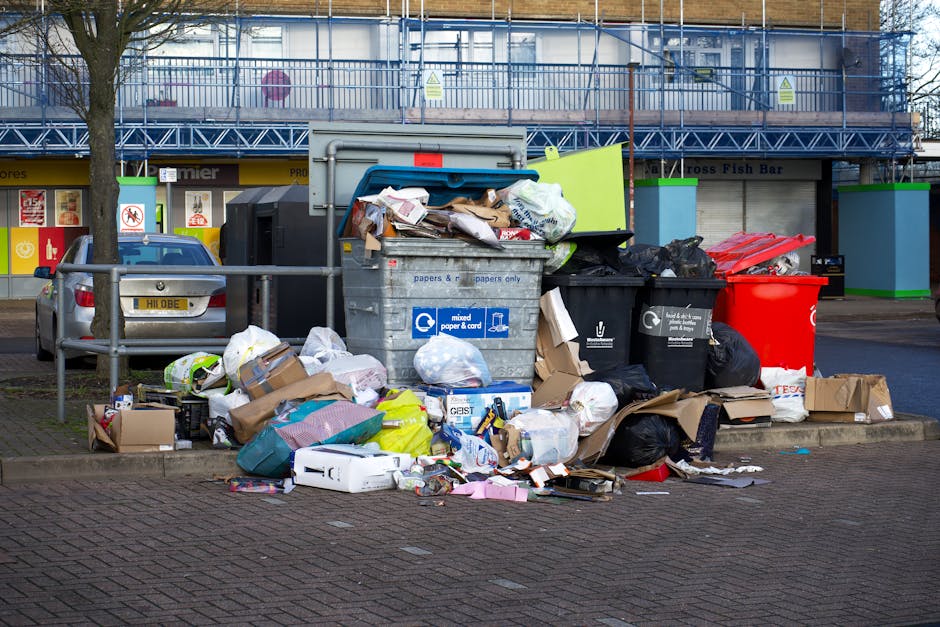
Greenwich Council rules for waste and cleaning disposal: a practical guide for residents, landlords, and cleaners
If you have ever stared at a bag of rubble, a broken mop bucket, or a pile of post-cleaning waste and wondered, "Can I just put this out with the bins?", you are not alone. Greenwich Council rules for waste and cleaning disposal can feel straightforward one minute and oddly specific the next. The truth is, a little local know-how saves time, avoids fines, and keeps shared streets, flats, and communal areas much cleaner. This guide breaks it down in plain English, with a focus on what matters in everyday life: what you can dispose of, what needs special handling, and how to stay on the right side of local waste expectations without making a meal of it.
Whether you are moving out, deep-cleaning a property, managing a rental, or simply trying to get rid of household waste properly, the rules are there for a reason. And yes, some of them are a bit fussy. But once you understand the pattern, it becomes much easier to plan your cleaning jobs properly and avoid those "I wish I'd checked that first" moments.
Why Greenwich Council rules for waste and cleaning disposal matters
Good waste disposal is not just about keeping the pavement looking neat. In Greenwich, as in most busy London boroughs, rubbish left in the wrong place can attract pests, create smells, block shared spaces, and cause problems with neighbours. If you live in a terrace, a mansion block, or a flat with communal bins, one badly handled clean-up can quickly become everybody's problem. Not ideal, to put it mildly.
These rules also matter because waste from cleaning jobs is not always ordinary household rubbish. A bag of hoovered dust is one thing. Paint-soiled cloths, broken glass, furniture, old mattresses, plasterboard, chemicals, or contaminated cleaning materials are something else entirely. Even a simple end-of-tenancy clean can generate mixed waste streams, and mixed waste is where confusion tends to start.
For landlords and managing agents, it matters even more. A flat can look spotless after a clean, but if the waste has been dumped outside too early, put into the wrong bin, or left without proper collection arrangements, the property may still present a poor impression. That can affect neighbour relations, inspections, and the next tenancy. If you are dealing with a move-out clean, it is often worth pairing your plan with a sensible end of tenancy cleaning Greenwich approach so the cleaning and waste removal steps line up properly.
Practical takeaway: the best waste-disposal plan is not the fanciest one; it is the one that fits the type of waste, the building you live in, and the collection setup you actually have.
And let's face it, nothing ruins a fresh-cleaned room quite like a hallway full of bin bags waiting for someone else to deal with them.
How Greenwich Council rules for waste and cleaning disposal works
At a basic level, the system is built around separating waste into sensible categories and presenting it for collection in the right way. That usually means regular household waste, recycling, bulky items, garden waste where applicable, and any special or hazardous items that need separate handling. The exact collection arrangements can change over time, so it is always wise to check current local instructions rather than relying on memory or a neighbour's guess from last year.
For day-to-day domestic cleaning, most waste will fall into familiar groups: food waste, general household waste, paper and cardboard, glass, cans, plastic packaging, and similar items. But cleaning jobs often create awkward extras. Think of broken cleaning tools, worn-out cloths, mop heads, empty product containers, old cushions, carpets, curtains, or bags of dust from a deep clean. Those items are where people most often trip up.
The council approach is usually practical rather than dramatic: keep waste contained, do not overfill bins, do not leave items on the street unless they are scheduled for collection, and do not mix prohibited materials into standard bins. If you are dealing with a larger clean, a safer route is to plan disposal before you start, not after the bags are already stacked in the hallway.
For homes with routine upkeep, a service like domestic cleaning Greenwich can help keep waste manageable because the cleaning process is more regular and less likely to create a last-minute disposal scramble. That said, even a small weekly clean can still generate packaging, wipes, and broken items, so it pays to stay organised.
What usually counts as "normal" cleaning waste
- Dust, lint, hair, and vacuum contents from routine household cleaning
- Used paper towels, wipes, and disposable cleaning cloths
- Empty household product packaging, where it is safe to dispose of it
- Small broken items that are not sharp, hazardous, or bulky
- Light general rubbish from tidying a room, cupboard, or utility area
What often needs extra care
- Paint tins, solvents, and chemical products
- Large furniture or oversized soft furnishings
- Carpet offcuts, underlay, and heavy material from renovations
- Broken glass, ceramics, and sharp waste
- Anything contaminated with bodily fluids, mould, or strong chemicals
If you are cleaning a property more intensively, especially carpets or fabric items, the waste picture changes quickly. A deeper clean often means more debris, more discarded materials, and more opportunities to dispose of things properly the first time. That is one reason people combine normal household upkeep with specialist services such as carpet cleaning Greenwich or upholstery cleaning Greenwich instead of trying to manage everything on the fly.
Key benefits and practical advantages
Following Greenwich Council rules for waste and cleaning disposal gives you more than just a tidy kerbside. It reduces stress, improves hygiene, and makes it easier to manage your home or property properly. You will notice the difference most clearly when the job is bigger than usual. A half-hour of planning can save a very annoying afternoon.
- Cleaner communal spaces: fewer spillages, fewer bin bag piles, fewer complaints from neighbours.
- Lower contamination risk: recycling streams stay cleaner and easier to sort.
- Better property presentation: especially useful for landlords, agents, and tenants preparing for inspections.
- Less manual hassle: you avoid unnecessary re-handling of waste that was sorted badly in the first place.
- Reduced risk of penalties or service issues: councils tend to take repeated misuse of waste systems seriously.
There is also a quieter benefit people do not talk about enough: peace of mind. When your rubbish is handled properly, the whole cleaning process feels more complete. The room looks finished. The job feels finished. Simple, but satisfying.
For businesses and shared offices, this becomes even more important. Staff cannot just keep stacking bags near a service entrance and hope for the best. If you manage workplace cleaning, aligning your waste habits with office cleaning Greenwich standards helps keep common areas usable and avoids creating a slow-moving mess behind the scenes.
Who this is for and when it makes sense
This guidance is useful for a fairly wide group, not just people who are doing a big spring clean. In practice, Greenwich Council rules for waste and cleaning disposal matter whenever your cleaning job creates anything beyond ordinary day-to-day rubbish.
Homeowners and renters
If you live in a flat or house in Greenwich, you need to know what goes into each bin, when collections happen, and how to deal with bulky or awkward waste. This is especially true if you are sharing bin storage with other residents. One person's "I'll sort it later" can become everybody's issue very quickly.
Landlords and letting agents
Move-out cleans are the classic example. Tenants leave behind mixed waste, old packaging, broken household bits, and the odd forgotten item under the bed. A structured disposal plan keeps the turnaround smooth. It also makes the property easier to hand over after a thorough clean.
Cleaning professionals
Professional cleaners often see the mess before anyone else does. That means they need a practical system for bagging waste, separating items, and deciding what should be removed versus left for the client's collection plan. A good cleaning team does not just clean surfaces; it helps the whole property function better.
Small businesses and offices
Office cleaning generates paper waste, packaging, sanitary waste, and the occasional broken chair or monitor box. If your workplace is compact, waste can build up in a blink. A proper routine prevents clutter from becoming a permanent feature of the office landscape.
And if you are trying to coordinate waste management around a busy home life, it may help to think of it as part of overall household upkeep rather than a separate chore. That is where services like house cleaning Greenwich can feel useful: they keep everyday mess from snowballing into a large disposal job.
Step-by-step guidance
Here is a simple way to handle waste and cleaning disposal without overcomplicating it. It is not glamorous, but it works.
- Identify the waste type first. Ask whether it is general rubbish, recycling, bulky waste, hazardous material, or cleaning residue.
- Separate as you go. Keep bags, boxes, sharp items, and recyclable materials apart from the start. Sorting later is always more annoying.
- Check whether anything needs special handling. Items like chemicals, paint, batteries, bulbs, and certain renovation materials often cannot be treated like normal household waste.
- Contain the waste properly. Use sealed bags, sturdy boxes, or secure containers so nothing leaks, smells, or tears open on the way out.
- Do not overload bins or leave loose items. Overflow creates mess, attracts pests, and can block shared access areas.
- Plan bulky disposal in advance. Sofas, carpet sections, mattresses, and broken furniture are rarely a last-minute job.
- Schedule the clean and the disposal together. If you are doing a deep clean, think about waste removal before the work starts, not at the end when everyone is tired.
- Keep records if you manage properties or staff. A simple note of what was removed and how it was handled can prevent confusion later.
That last point sounds a bit formal, but in reality it is just practical common sense. When one person says "I thought you had taken it" and the other says "No, I thought you had," nobody wins.
Expert tips for better results
A few habits make local waste disposal far easier. These are the kinds of details that seasoned cleaners and property managers tend to rely on, because they prevent friction before it starts.
1) Use a staging area during larger cleans
Set aside one spot for items that are definitely leaving the property. That could be a hallway corner, utility room, or an empty section of a garage. Keeping outgoing waste separate helps avoid accidental double-handling.
2) Keep sharp and fragile waste visible
Broken glass, nails, staples, ceramic shards, and twisted wire should be clearly wrapped and labelled where appropriate. It is not just about compliance. It is about stopping somebody from getting a nasty cut with a half-second lapse.
3) Treat damp or contaminated waste carefully
Wet cloths, mouldy textiles, and heavily soiled materials can smell quickly, especially in warm weather. On a humid afternoon in summer, a bag like that can go off surprisingly fast. Seal it properly and move it out promptly.
4) Match your cleaning method to the disposal burden
If a room contains old carpets, stained upholstery, or deep dirt build-up, the clean itself can create more waste than expected. Sometimes a more targeted treatment is better than stripping out and throwing away far more than you planned. If fabric items need particular care, this is where specialised advice from a velvet curtain care guide can be relevant, even if your main issue is disposal rather than fabric cleaning.
5) Think about the people who share the building
In a shared block or converted house, waste habits are social, not just practical. If your bags are too heavy, too early, or too numerous, everyone notices. The best approach is tidy, discreet, and predictable. Boring, perhaps. But effective.
Common mistakes to avoid
A lot of waste problems come from small oversights rather than big offences. The good news is that most of them are easy to avoid once you know what to look for.
- Mixing materials that should stay separate. For example, putting recyclable cardboard in with heavily soiled general waste.
- Leaving bags outside too early. That can attract animals, create litter, or cause obstruction.
- Assuming all cleaning products are harmless once empty. Some containers still need careful handling if residue remains.
- Forgetting bulky items. A broken chair or mattress can derail an otherwise tidy disposal plan.
- Ignoring shared bin rules. Communal systems are often the strictest part of the process.
- Overstuffing bags until they split. A classic mistake, and usually a messy one.
- Putting sharp waste in thin liners. That is how little disasters happen in the boot room, hallway, or lift.
One small but common issue is people doing a deep clean and then discovering they have nowhere suitable to keep the waste until collection day. It sounds minor. It is not. Always allow space for the aftermath.
Tools, resources and recommendations
You do not need a truckload of equipment to handle waste properly, but a few simple tools make a big difference.
- Heavy-duty refuse sacks: better for bulky or damp waste than thin bin liners.
- Strong gloves: useful when handling broken items, dirty waste, or bagged debris.
- Cardboard boxes: helpful for broken glass, mixed small items, or materials that should stay upright.
- Tape and labels: surprisingly useful for marking sharp or fragile waste.
- Indoor storage bins: good for keeping sorted waste tidy before collection.
- Cleaning cloths and absorbent paper: useful when you need to deal with spills before bagging the waste.
For property owners and tenants who are also dealing with carpets, furniture, or move-out cleaning, it helps to work from a broader service plan. A clear overview of available support, such as the one on services overview, can make it easier to decide what you can manage yourself and what is better left to specialists.
If your disposal choices affect pricing or scope, it is sensible to check pricing and quotes before you commit to extra work. And if you are using outside help for a larger clean, having a basic grasp of health and safety policy expectations is never wasted time.

Law, compliance, standards, or best practice
Waste disposal in London sits within a broader framework of household waste rules, environmental responsibilities, and property-management best practice. You do not need to be a legal specialist to follow it, but you do need to be careful. The main idea is simple: waste should be sorted, contained, and presented responsibly, while anything hazardous, sharp, or unusually bulky should be handled according to the relevant local or specialist process.
For businesses, there is a stronger expectation to show that waste is being managed responsibly and safely. That includes making sure staff know the rules, contractors understand the site, and waste does not spill into public spaces or shared access routes. In practical terms, good compliance usually looks like good housekeeping: clear bins, sensible separation, proper containment, and no improvisation where hazardous materials are involved.
Best practice also means paying attention to neighbouring properties and access points. In dense parts of Greenwich, one badly placed bag can block a gate or stairwell. That is not just untidy. It is poor practice.
If a problem escalates, whether about waste handling or service standards more generally, it is worth knowing how a provider deals with issues. For example, a clear complaints procedure and practical policy pages such as terms and conditions, privacy policy, and insurance and safety can help set expectations before work begins.
That is the real point of compliance here: not paperwork for its own sake, but fewer mistakes and a cleaner handover for everyone involved.
Options, methods, or comparison table
There is more than one way to handle cleaning-related waste in Greenwich. The right method depends on volume, material type, and how quickly you need it gone.
| Method | Best for | Pros | Watch-outs |
|---|---|---|---|
| Regular bin disposal | Everyday household waste and small cleaning residue | Simple, low effort, familiar | Not suitable for bulky, hazardous, or overfilled waste |
| Sorted recycling | Cardboard, clean packaging, glass, cans, and similar items | Reduces general waste and keeps streams cleaner | Contamination can make it unusable |
| Bulk item collection | Furniture, mattresses, and large waste from deep cleans | Safer and more practical for larger objects | Usually needs planning and may have rules for presentation |
| Specialist removal | Hazardous, contaminated, or renovation-related waste | Better for safety and compliance | Requires careful booking and clear item description |
In everyday life, most people use a mix of the first two methods and only call on the others when a bigger clean gets underway. If you are unsure, the safest default is to slow down and sort properly. Speed is handy, but not if it creates a bigger job later.
Case study or real-world example
Picture a second-floor flat in Greenwich after a long tenancy. The tenants have moved out, the kitchen is cleaner than it was, and the living room is full of leftover packaging, damaged storage boxes, a broken lamp, a couple of chipped mugs, and a small mountain of dust from under the sofa. Nothing dramatic. Just the usual end-of-tenancy mixture.
The first instinct might be to bundle everything into one set of bags and put them out. That would be easy. It would also be the wrong move if sharp items, glass, and general waste are all mixed together. Instead, a sensible approach is to split waste into clear groups, wrap the broken pieces, keep recyclable packaging separate where it is clean enough, and arrange removal for any bulky or awkward items before collection day. That way, the flat can be cleaned properly without turning the hallway into a dumping ground.
In our experience, this is where people feel the biggest relief. Once the waste is sorted, the clean suddenly looks finished. The place smells fresher too, which sounds obvious until you have stood in a room with three damp bags waiting by the door.
If the job includes soft furnishings or floor coverings that are being refreshed rather than replaced, it can also help to coordinate with specialist fabric or floor care. A well-planned clean around carpets and upholstery is usually more efficient than trying to deal with everything in one rushed pass. That is one reason many property owners pair routine upkeep with carpet cleaning Greenwich or upholstery cleaning Greenwich.
Practical checklist
Use this checklist before you finish any clean that creates more than ordinary household waste.
- Have I separated general waste, recycling, and bulky items?
- Are any sharp objects wrapped and secured?
- Have I checked whether chemicals, batteries, bulbs, or paint need special handling?
- Are all bags tied, sealed, and strong enough for the contents?
- Have I avoided overfilling bins or blocking shared access areas?
- Is anything too large or awkward for standard bin collection?
- Have I planned where the waste will be stored until collection?
- Have I removed any damp, smelly, or contaminated waste quickly?
- Do I know which items should not go with ordinary household rubbish?
- Have I kept the clean-up area safe, clear, and easy to walk through?
If you can tick most of those off, you are in very good shape. If not, pause for a minute and reset the disposal plan. It is almost always worth it.
Get a free quote today and see how much you can save.
Conclusion
Greenwich Council rules for waste and cleaning disposal are not there to make life difficult. They exist to keep homes safer, streets cleaner, and shared spaces more manageable. Once you understand the basics, the whole process becomes much less stressful. Sort waste early, separate awkward items, avoid overfilling bins, and think ahead when a cleaning job is likely to produce more debris than usual.
Whether you are a tenant, landlord, office manager, or simply someone trying to clear out a room without creating chaos, a little planning goes a long way. Clean spaces feel better when the waste has been handled properly. That part matters more than people think.
And honestly, the small satisfaction of getting it right? Quite underrated.


